
Premium EREVs Hold Ground as Mass Market Moves to BEVs; Xiaomi Enters with Kunlun N3
China’s extended-range electric vehicle (EREV) segment posted its steepest single-month decline in nearly five years in May, data from the China Passenger Car Association (CPCA) show, underscoring a market undergoing rapid structural realignment just as a high-profile new entrant prepares to challenge incumbents.
CPCA figures released June 11 show wholesale deliveries of EREVs fell 24.9% year‑on‑year in May to about 95,000 units, making EREVs the only new energy vehicle (NEV) category to record negative growth that month and cutting EREVs’ share of the NEV market to roughly 7%. The drop largely reflects a dramatic strategic pivot by Li Auto, which accounted for nearly the entire industry decline after shifting sales toward battery electric vehicles (BEVs): Li’s BEV i6 exceeded 20,000 monthly deliveries for a third straight month while L‑series EREV volumes slid, delivering a net reduction in EREV volumes of almost 29,000 units versus May 2025.
The May data paint a clear divergence inside the NEV market. BEVs grew 16.6% year‑on‑year and plug‑in hybrids (PHEVs) also posted double‑digit gains, while EREVs alone plunged. Among newer EV startups the BEV-to‑EREV sales mix has shifted markedly—from 59:41 in 2024 to 71:29 in 2025—and BEVs represented 81% of startup sales in May, illustrating a fast-moving consumer preference tilt. Improved charging infrastructure (China had nearly five million public charging piles by end‑April and ultra‑fast charging on more than 98% of highway service areas) and falling battery costs have narrowed the price and convenience gaps that once favored range‑extender architectures.
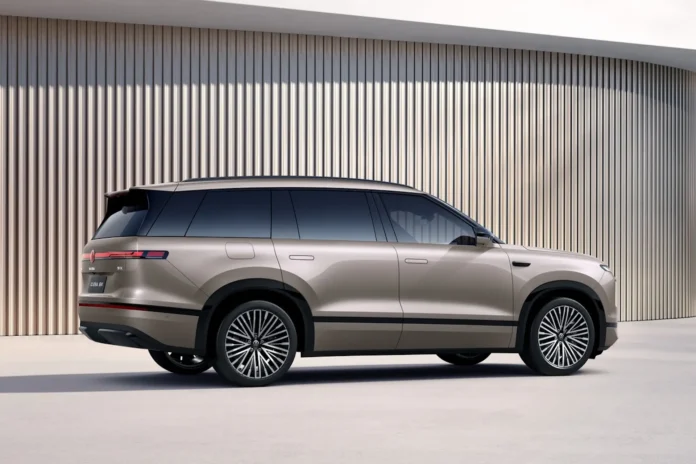
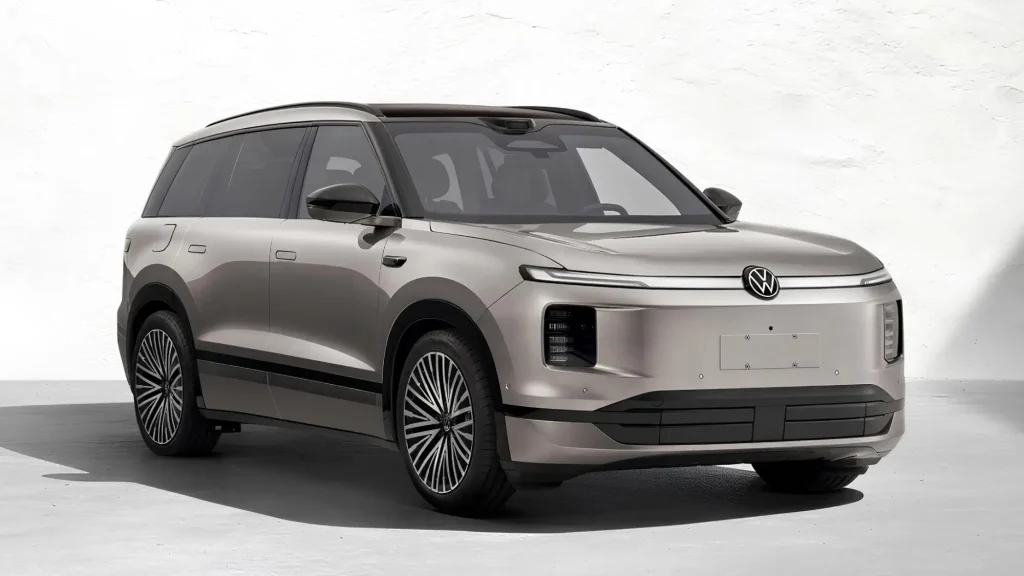
Despite the headline collapse, the EREV downturn is uneven. The premium segment above about 300,000 yuan (≈ $44,300) continues to show robust demand for EREV powertrains, especially in large, feature‑rich models where buyers prize vehicle utility and fail‑safe range. In May only three EREV models topped 5,000 units—AITO’s M6 and M7 and the SAIC Volkswagen ID.ERA 9X—while the AITO M8’s EREV version outsold its BEV sibling by a wide margin in early 2026. Industry sources say high‑end buyers value EREVs for the combination of large‑battery performance, high‑power accessories, and reassurance in long trips or off‑road conditions.
At the same time, the mass market—price bands around 150,000–250,000 yuan—has accelerated its move to pure BEVs. For many mainstream buyers range and lower energy replenishment costs dominate purchasing calculus, and greater fast‑charging coverage has reduced the historical “range‑anxiety” advantage EREVs once held. Analysts note that EREVs and PHEVs may still retain relevance in regions or overseas markets with sparse fast‑charging networks, but domestically the 300,000‑yuan family EREV niche pioneered by Li Auto is now in limbo.
Complicating the picture, regulatory filings and supplier moves show manufacturers are not abandoning EREVs. The Ministry of Industry and Information Technology’s 408th batch of vehicle approvals, published June 10, includes Xiaomi EV’s green light to add EREV passenger‑vehicle production—a development likely to reshape competition in the upper tier. Xiaomi’s first full‑size EREV SUV, internally codenamed “Kunlun N3,” is expected in the second half of 2026. Published specifications and industry reporting indicate a full‑size chassis (over 5.3 meters long, ~3.1m wheelbase), a 1.5T four‑cylinder range extender, dual‑motor AWD output above 400 hp, and an up to 80 kWh battery targeting a CLTC pure‑electric range of roughly 400–500 km. Price expectations for mainstream trims sit in the 350,000–450,000 yuan band (≈ $51,700–$66,400), positioning Kunlun N3 directly against Li Auto’s top models.
Supply‑chain players are backing the race: CATL has upgraded its Freevoy series batteries for EREVs/PHEVs to extend pure‑electric range; Sunwoda lists Xiaomi among its 2026 supply customers; and Dongan Auto Engine is preparing capacity increases in anticipation of higher range‑extender shipments. XPeng, Leapmotor and others also have EREV models slated for 2026 releases, many with substantially longer pure‑electric ranges than earlier generations.
Exports are emerging as an alternative outlet. CPCA data put EREVs at 4.4% of NEV exports in May—up from about 2% a year earlier—translating to roughly 19,000 exported EREVs that month and absorbing some 20% of wholesale volumes. Li Auto has already signed distributor agreements in the Middle East and plans to ship L‑series EREVs overseas in the third quarter, highlighting demand persistence in regions lacking dense fast‑charge networks.
Still, exports are not yet large enough to offset domestic declines. With a crowded premium “9‑series” field—more than ten heavyweight flagships launched or debuting in H1 2026 across EREV, PHEV and BEV layouts—competition for a limited mid‑to‑high‑end market will intensify. Analysts warn only a few models will secure durable profitability.
For now, the EREV landscape is in flux: Li Auto’s retrenchment leaves a high‑value market gap that newcomers like Xiaomi aim to seize. Whether the Kunlun N3 and other 2026 EREV launches can redefine the segment or merely prolong a transitional architecture’s lifecycle will hinge on pricing, product differentiation and continued advances in battery and charging technology.

