
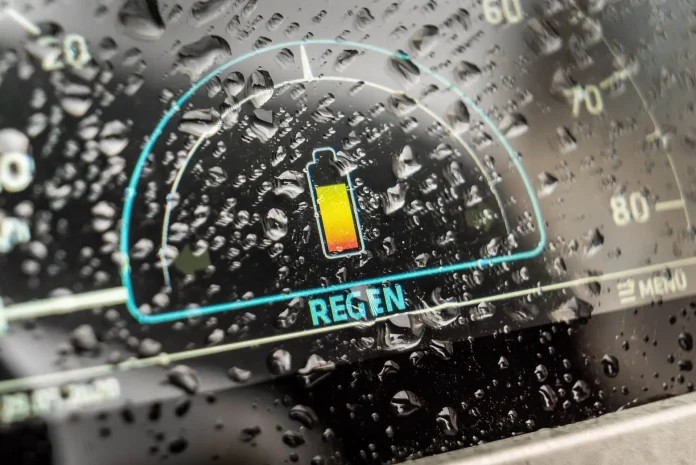
China’s electric-vehicle market is embroiled in a fresh trust crisis after media reports alleged that some automakers used over‑the‑air (OTA) software updates to reduce vehicle range, throttle power and slow fast‑charging — in some cases overnight — without owners’ consent. The story, first highlighted in a CCTV report and amplified on consumer complaint platforms, prompted swift denials from several leading EV makers and a rapid clarification from state media, but it has nevertheless reignited debate over manufacturers’ control of software‑defined cars and consumers’ property rights.
The controversy began when CCTV cited data showing more than 12,000 complaints on the national 12315 consumer platform in March 2026 — a year‑on‑year rise of about 273% — related to so‑called “battery locking.” Reports described owners who bought vehicles advertised with ranges above 500 km finding their cars unable to reach 300 km after a nighttime OTA push. Owners also reported longer charging times and reduced driving power. The report said eight manufacturers had been summoned and three put under investigation; two allegedly withdrew update packages and pledged to restore performance.
Within hours several automakers named in the story — including BYD, Tesla, Xpeng, Li Auto, Nio, Aito (the Seres‑Huawei joint brand), Zeekr and GAC Aion — issued rebuttals denying they had been summoned specifically over battery locking. CCTV later corrected its piece to say that regulators had summoned automakers since 2020 over a range of issues including abnormal acceleration, battery fires and OTA updates — not exclusively for battery‑locking complaints. The China Association of Automobile Manufacturers said regulators had not taken enforcement actions related to the circulating claims and described the online narrative as inconsistent with the facts.
Industry observers and legal experts say the underlying practice alleged — adjusting Battery Management System (BMS) parameters to cap usable battery capacity or reduce charging/discharging power — is technically straightforward and economically attractive. BMS settings can be changed with brief lines of code, immediately lowering the battery’s effective capacity and slowing its degradation, which in turn reduces the likelihood of early warranty claims or mass recalls. For manufacturers selling millions of vehicles, even modest reductions in warranty liabilities could translate into substantial cost savings.
But consumer advocates warn such actions contravene basic rights to information and choice. If a vehicle is marketed with a specified CLTC range or charging time, undisclosed software limits that materially reduce those figures amount to a diminution of the purchased product. Legal analysts note that undisclosed battery locking could violate China’s Law on the Protection of Consumer Rights and Interests; if the root cause is a genuine battery defect, the appropriate regulatory remedy is a recall or repair rather than covert restrictions.
Regulators have already issued clearer rules on OTA conduct. Since February last year, the Ministry of Industry and Information Technology and the State Administration for Market Regulation have required manufacturers to inform owners seven days in advance of parameter changes and obtain consent before proceeding. The rules also bar using OTA updates to conceal defects or evade liability.
The debate taps into a deeper transformation: the shift from hardware‑defined to software‑defined vehicles gives manufacturers remote control over key performance characteristics long after sale. That raises property‑rights and trust issues — owners effectively buy a product whose capabilities can be altered remotely. Cases of technicians being prosecuted for re‑unlocking battery parameters underline how fraught the terrain has become.

