
Automaker targets 10 million units annually equipped with proprietary Arene operating system to drive recurring revenue
Toyota Motor has announced an ambitious plan to convert all approximately 50 vehicle models it sells globally to software-defined vehicles (SDVs) by 2030, according to a strategy revealed at an investor briefing. The initiative represents a significant shift in how the world’s largest automaker generates profit, moving from one-time vehicle sales toward ongoing revenue from software updates and services.
SDVs are vehicles that function similarly to smartphones, receiving over-the-air software updates after purchase to add or enhance features such as driver assistance systems, autonomous driving capabilities, and in-car entertainment options. This technology allows customers to add new functionality without visiting a dealership.
Toyota launched its first SDV in 2025 with the RAV4 sport utility vehicle equipped with the company’s proprietary “Arene” operating system. The system will expand to the new Lexus ES in 2026, with full deployment across the entire model lineup by the end of the decade. The company projects installing Arene in approximately 10 million new vehicles annually once the transition is complete.
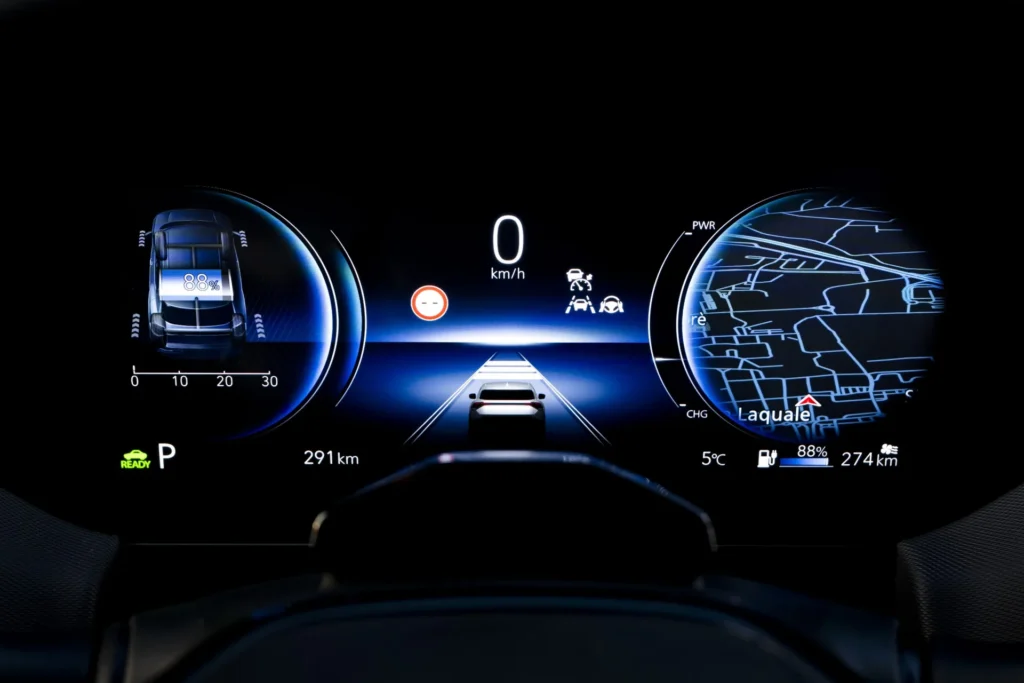
The Arene OS is being developed by Woven by Toyota, the automaker’s wholly owned software subsidiary. The division provides software development kits, verification tools, and data infrastructure designed to enable software reuse across different vehicle models and generations, helping reduce development costs through economies of scale.
Targeting Massive Revenue Growth
The SDV strategy is central to Toyota’s broader financial goals. The company aims to raise operating profit from non-vehicle-sales businesses to ¥3 trillion (approximately $19.0 billion) by fiscal 2030, a roughly 40% increase from 2025 levels. This figure encompasses revenue from software updates, leasing, and other services beyond initial vehicle purchases—not solely subscription fees.
With approximately 150 million Toyota vehicles currently on roads worldwide, the company sees enormous potential to generate continuous revenue from its existing fleet as SDV adoption accelerates. This diversification is particularly urgent given sluggish new vehicle sales growth; Toyota’s global sales for the first half of 2026 fell 2.9% year-on-year to approximately 5 million units, marking the first decline in two years.
Toyota also plans to offer Arene to partner automakers beginning in 2035, a move analysts view as an attempt to establish the system as an industry standard while broadening its installed base.
Intensifying Competition
The push reflects intensifying competition in the SDV space. Tesla has pioneered this market, generating substantial revenue through over-the-air feature additions and autonomous driving software sales. Chinese automakers are rapidly developing proprietary vehicle operating systems and advancing SDV technology.
In Japan, competitors are pursuing different strategies. Nissan Motor and Honda signed a joint development agreement on August 31, 2026, to standardize core SDV components including electronic control units, vehicle operating systems, and middleware. The companies aim to reduce costs and accelerate development through shared expertise, with plans to deploy their standardized platform beginning in fiscal 2029.
By deploying Arene across all models at the scale of 10 million units annually, Toyota could surpass Tesla and Chinese competitors in the breadth of software platform adoption, positioning itself as a leader in an industry undergoing what experts describe as a “once-in-a-century transformation.”

