
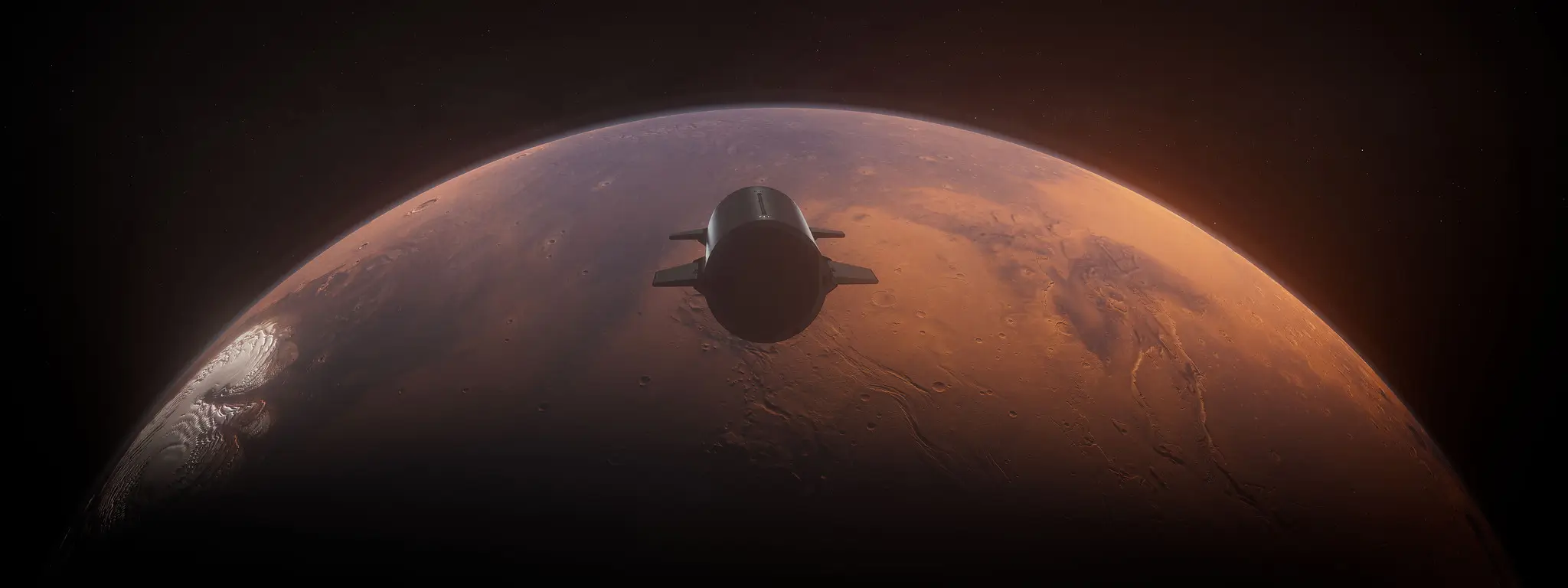
On the day SpaceX priced its IPO at $135 a share — valuing the company at about $1.77 trillion — Ross Gerber, CEO of Gerber Kawasaki Wealth and Investment Management, made a stark claim on Bloomberg Businessweek: Tesla is “worthless” unless it merges with SpaceX. Gerber’s argument hinges on what he calls an intellectual‑property time bomb inside Tesla: the core AI that powers Tesla’s Full Self‑Driving (FSD) software and the Optimus humanoid robot was developed outside Tesla (widely attributed to xAI, now folded into SpaceX), meaning Tesla controls hardware but not the “brains.” Without that IP, Gerber argued, Tesla’s products are effectively inert hardware.
Gerber said the market already treats a Tesla‑SpaceX combination as likely, and that expectation is propping up Tesla’s share price because many investors refuse to sell for fear of missing an acquisition premium. He described a shareholder base holding Tesla not merely for its EV business but for an anticipated conversion into SpaceX equity, a dynamic that, in his view, creates an “invisible floor” under Tesla’s stock.
Operational and financial ties between the companies strengthen that narrative. SpaceX disclosed that Tesla owns an equity stake in the rocket company; the firms are co‑developing the Terafab semiconductor plant in Texas; SpaceX purchased Cybertrucks; and since 2023 Tesla has sold billions in vehicles and battery products to SpaceX and xAI combined. SpaceX COO Gwynne Shotwell told reporters on IPO day that a Tesla merger is “not off the table,” and some Wall Street analysts put high odds on a deal: Wedbush’s Dan Ives estimates an 80–90% probability of combination by 2027, while prediction markets show a roughly 50% chance before May 2027.
Gerber’s case is structural rather than speculative. He says the only reliable fix for Tesla’s dependence on externally owned AI is a merger that aligns control of the IP with Tesla’s hardware business. He called such a combination a “foregone conclusion” once valuations permit a transaction that avoids major shareholder litigation.
Governance tradeoffs and the role of passive funds
The Bloomberg segment also highlighted governance concerns. Governance critic Nell Minow condemned SpaceX’s IPO governance structure — Musk’s outsized voting power through dual‑class shares, a CEO‑for‑life posture, weak board independence, and arbitration clauses that limit shareholder recourse. Gerber acknowledged those defects but framed them as the explicit bargain investors accept to chase outsized returns. He cited his own returns on Tesla — which he said returned more than 100x his original capital — as evidence that the governance tradeoff can be worth it for long‑term holders.
Gerber redirected a large portion of his critique at passive index funds, especially Vanguard, arguing these institutions enable weak governance by routinely approving management proposals and failing to exercise effective oversight despite holding large stakes. In his view, passive funds’ inaction, not only Musk’s control, explains why conventional shareholder protections have not constrained corporate behavior.
The Mars clause, succession and dilution
Gerber downplayed the payout risk from an audacious compensation clause in Musk’s SpaceX package that vests a huge award only if a million people permanently live on Mars. Gerber said he does not expect that milestone to trigger and viewed it as effectively capping dilution rather than creating a realistic claim. He also argued SpaceX is less founder‑dependent than commonly assumed: strong management teams and engineering depth would allow SpaceX to operate without Musk, he said — a contrast he painted with Tesla, where succession and operational independence appear weaker.
How Gerber would buy SpaceX
On IPO participation, Gerber offered a pragmatic playbook aimed at avoiding the classic retail trap of buying at the open and panic‑selling during a post‑IPO drawdown. He recommended either dollar‑cost averaging over five months (20% of a target position per month) or waiting until employee lockups expire — roughly six months post‑IPO — when selling pressure from employees needing liquidity (notably in high‑cost Los Angeles housing) could offer buying opportunities.
Open questions and frictions
Gerber acknowledged integration hurdles that complicate a merger: SpaceX’s substantial U.S. government revenue and ITAR export controls, and Tesla’s deep manufacturing and sales footprint in China. Those geopolitical and regulatory frictions, plus differences in corporate governance, raise thorny questions about whether SpaceX shareholders would benefit from acquiring a capital‑intensive EV business or whether Tesla shareholders are the ones whose company needs rescues.
Not everyone agrees with Gerber’s thesis. Some investors, including Steven Eisman, have warned that SpaceX should avoid taking on Tesla’s liabilities and governance baggage. For now, the market must decide which logic prevails: that Tesla needs SpaceX to survive, or that SpaceX should remain independent of an automaker whose core AI it no longer controls.

