
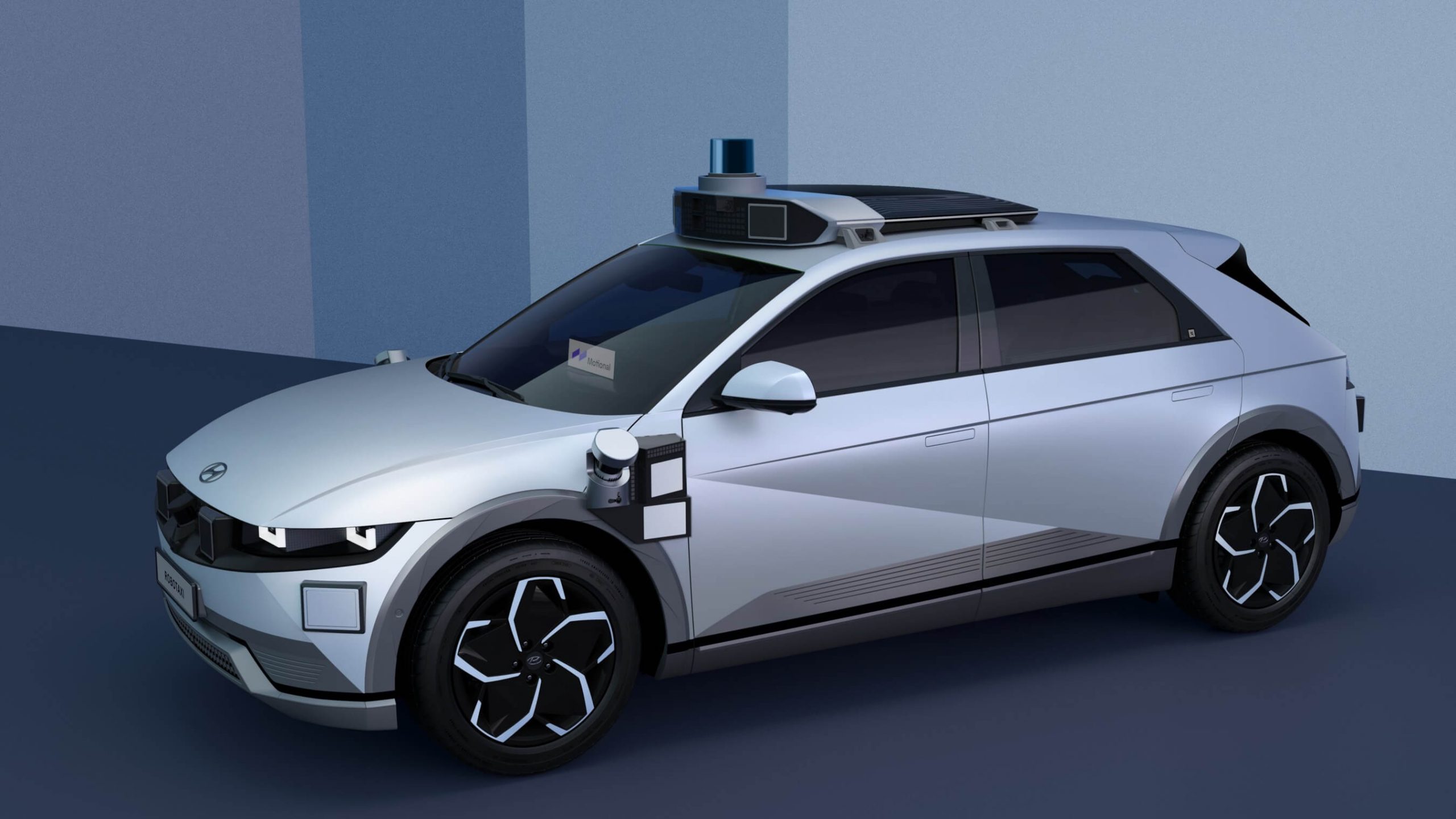
In a recent announcement, self-driving technology developer Motional has decided to postpone the deployment of robotaxis with ride-hailing giants Uber Technologies Inc. and Lyft Inc., alongside implementing job cuts as part of its restructuring process. The decision reflects the ongoing challenges faced by the autonomous driving industry.
Motional CEO Karl Iagnemma revealed the strategic shift in a blog post on Tuesday, citing the need to focus resources on further developing core driverless technology. “This updated strategy requires a streamlining of our teams, resulting in a reduction in staff across the business,” Iagnemma stated, though specific details regarding the number of job cuts remain undisclosed.
Established as a joint venture between Hyundai Motor Group and autonomous driving technology company Aptiv PLC in 2020, Motional has encountered hurdles in commercializing its robotaxi services in the United States, largely due to regulatory and safety concerns. The anticipated launch of the IONIQ 5 robotaxi commercial services in the US has been postponed from the end of 2023 to 2024.
Aptiv, recognizing the challenges faced by Motional, has opted to reduce its common equity interest in the company from 50% to 15%, with plans to sell an 11% stake to Hyundai and exchange up to 21% for preferred shares.
Goal for the Future, Not the Present
Iagnemma acknowledged the formidable obstacles confronting the self-driving technology industry, emphasizing that large-scale deployment of autonomous vehicles will not materialize overnight. “Driverless vehicles will enter the market when the technology has evolved, and – just as importantly – when the business case for autonomous deployment is clear,” he asserted.
He further underscored that the aspiration for large-scale deployment of autonomous vehicles remains a future objective rather than a current reality.
Industry Trends and Challenges
The decision by Motional follows a trend of reduced investment and strategic shifts within the autonomous driving sector. Legacy automakers such as General Motors Co. and Ford Motor Co. have scaled back their spending on self-driving technology due to various challenges, including regulatory hurdles and safety concerns.
Cruise LLC, a subsidiary of General Motors, recently faced setbacks, losing its self-driving license in San Francisco following a series of accidents. Likewise, Ford Motor Co. abandoned the development of Level 4 autonomous vehicles and shut down its self-driving joint venture, Argo AI.
Meanwhile, tech giant Apple Inc., which had been exploring the development of autonomous electric vehicles, disbanded its team dedicated to the project.
Tesla’s Contrary Stance
In contrast to the prevailing trend, Tesla Inc. continues to actively pursue the development of self-driving technology. CEO Elon Musk has reaffirmed the company’s commitment to introducing dedicated robotaxis equipped with its full self-driving (FSD) technology. However, Tesla faces its own challenges, including ongoing lawsuits over car accidents related to its Autopilot system.
Despite these challenges, Tesla remains steadfast in its pursuit of advancing self-driving capabilities, underscoring the divergent paths taken within the broader landscape of the autonomous driving industry.
As Motional and other players navigate the complexities of regulatory compliance, technological advancement, and market viability, the future trajectory of self-driving technology remains subject to ongoing evolution and uncertainty.

