
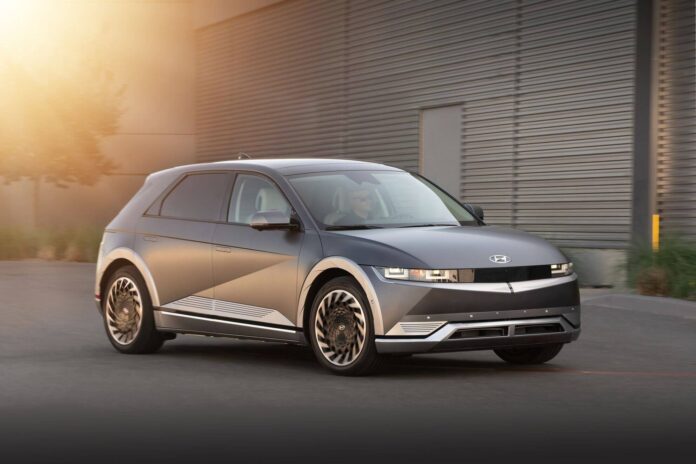
Hyundai Motor is significantly expanding the information it provides to certified used-car buyers, disclosing everything from prior owners’ driving habits to cell-level deviations in electric vehicle batteries in an attempt to solve one of the industry’s most persistent problems: buyers not knowing how a vehicle was actually treated.
The automaker announced the initiative on November 2nd, marking the largest expansion of disclosed vehicle information since launching its certified used-car program in October 2023. The effort combines driving data from Hyundai’s connected-car technology, official maintenance records from service networks, and specialized battery diagnostics into a comprehensive transparency package.
The most innovative element is the “Safe Driving Score,” which rates prior owners’ driving behavior based on up to 1,000 kilometers of recent data. The score analyzes hard accelerations, harsh braking events, jackrabbit starts, and late-night driving patterns—factors that indicate how aggressively a vehicle was operated. For used-car buyers, this metric answers a question that has historically been nearly impossible to verify: whether a car was treated gently or driven roughly.
“How the vehicle was driven” has long been the most critical unknown in used-car transactions. A car’s mechanical condition depends heavily on driver behavior, yet buyers have traditionally relied on guesswork, visual inspection, or seller claims. Hyundai’s approach uses actual telematics data to eliminate that guesswork—assuming the prior owner consented to data sharing.
The automaker is also disclosing official service records from its dealership networks, showing maintenance performed at Hyundai service centers alongside replacement records for consumables like engine oil, air filters, and coolant. Additionally, Hyundai replaces all major consumables before selling any certified used vehicle, ensuring buyers receive vehicles in documented condition.
Hyundai’s diagnostic capabilities have been upgraded to industry-leading standards. Using proprietary digital inspection equipment, technicians evaluate 272 items for the Hyundai brand and 287 items for the premium Genesis brand, with detailed reports provided to buyers.
For electric vehicles, the transparency push is particularly significant. Beyond the battery state of health previously disclosed, buyers now receive detailed reports on cell voltage deviation, battery temperature deviation, and cumulative charge-discharge records. Since battery condition is the primary determinant of a used EV’s residual value, this granular data allows buyers to make more informed pricing judgments.
The initiative directly addresses what economists call the “lemons market” problem—the structural weakness that has plagued used-car transactions globally. In South Korea specifically, the used-car market has struggled with unreliable inspections and unverified condition claims, making buyers understandably cautious.
By leveraging its position as both the manufacturer and service provider, Hyundai can verify vehicle history in ways independent used-car platforms cannot. Connected-car data from Bluelink, dealer service records, and proprietary diagnostics create a multilayered verification system controlled by the company that knows the vehicle best.
The impact on used-EV pricing could be substantial. Battery degradation variability is the primary driver of pricing differences among used electric vehicles. Standardized, detailed battery diagnostics allow sellers and buyers to assess vehicles more precisely, potentially reducing pricing disputes but also creating pressure for vehicles with poor battery results to reduce their asking prices.
However, a limitation exists: disclosure scope depends on prior owner consent. Vehicles without owner agreement provide limited additional information, meaning the benefit will spread gradually across Hyundai’s certified inventory. Analysts also note that Hyundai’s initiative serves dual purposes—boosting sales through transparency while accumulating valuable data for future residual-value calculations and product development.

