
Once dismissed as a stopgap, range-extended electric vehicles (REEVs) have surged from niche to mainstream in recent years, reshaping automakers’ strategies even as major manufacturers disagree on their long‑term role.
Six years ago industry executives publicly derided range extenders: Volkswagen China’s then‑CEO called them “the worst solution,” and other leaders labeled them inefficient or transitional. Back then Li Auto was one of the few firms betting on the approach. Yet consumer demand has since forced a rethink: annual global sales of REEVs jumped from roughly 30,000 units in 2020 to about 1.235 million in 2025, and brands from newcomers to incumbents have introduced models using the technology.
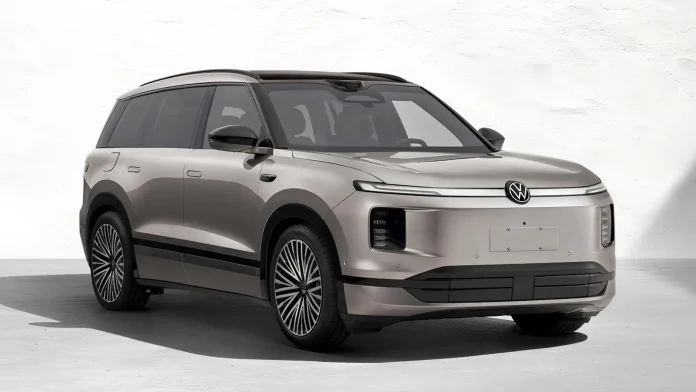
The result is a split between markets and manufacturers. In China, where stop‑and‑go traffic and fast‑charging infrastructure limits make REEVs attractive, companies including Li Auto, Wenjie and Leapmotor expanded offerings and drew strong buyer uptake. By 2025–26 even EV-first startups such as XPeng and IM Motors added range‑extended versions; Toyota and BMW adjusted their China strategies; and Volkswagen — once a vocal critic — launched its ID.ERA 9X REEV in March 2026.
But European market leaders remain skeptical about broad adoption outside China. Volkswagen executives have argued REEVs fit Chinese traffic patterns but make little sense in Europe’s faster driving rhythms and denser charging networks. Volkswagen’s R&D head called the approach “lose‑lose,” citing cost, extra weight and lower efficiency versus alternatives. He also noted that EU emissions rules offer no special incentive for REEVs and that many European plug‑in hybrids already deliver roughly 150 km of pure electric range — sufficient for many buyers.
BMW’s stance is similar: the firm says its new battery tech and sixth‑generation cells can deliver ranges above 800 km and ultra‑fast charging (400 kW), reducing the case for range extenders. BMW stresses that any adoption must preserve its “iconic driving experience,” and that decisions will depend on market scale and regional needs. The company has not ruled out China‑specific REEVs if demand warrants it.
Meanwhile, other global players are embracing REEVs more actively. Stellantis, Ford, Hyundai and Nissan are rolling out or planning REEV models — from Jeep and Ram variants to Hyundai’s Santa Fe EREV and Genesis luxury EREV plans, and Nissan’s evolving e‑Power systems. Ford’s CEO has said the company intends broad hybrid or REEV options across its lineup, arguing that many consumers prefer lower upfront cost and greater range for large vehicles and trucks. Industry forecasts back this pivot: TrendForce projects annual REEV sales could hit 3 million by 2030, roughly double 2025 levels, helped by regulatory flexibility (including recent EU adjustments) and slow charging infrastructure rollout in some regions.
Challenges remain. Current REEV offerings skew toward higher‑end SUVs and trucks with premium pricing, limiting mass adoption. Efficiency concerns persist because onboard combustion generators add weight and lower energy conversion compared with pure BEVs. Still, automakers such as Ford expect hybrids, REEVs and BEVs together to constitute a much larger share of sales by 2030.
The industry’s picture is now regional and pragmatic: in markets where fast charging is widespread and battery tech achieves very long range, manufacturers such as BMW and Volkswagen see little need for REEVs; in markets with heavy traffic congestion or limited charging, many firms view range extenders as a practical transitional technology that meets current consumer needs.

